Affiliate disclosure: This article contains affiliate links. We may earn a commission if you purchase through them, at no extra cost to you. This guide is based on current published information and is not a hands-on product test.
An electric bike can make a commute, campground, or weekend trail feel much more accessible. It can also become an awkward, heavy purchase if it does not fit your body, storage space, local rules, or repair options. Qronge offers commuter e-bikes, folding models, step-through designs, a three-wheel option, and powerful electric dirt bikes. The variety is appealing, but it makes a good pre-purchase checklist more useful than a simple “best model” ranking.
Before comparing motor figures or promotional bundles, work through these seven ownership checks. They focus on what happens after the delivery box arrives.
1. Map the route you will actually ride
Write down one realistic trip: distance, hills, pavement quality, traffic, weather, and the cargo you carry. A compact folding bike may suit mixed car-and-bike travel, while a step-through frame can make frequent stops easier. A fat-tire model can add grip and comfort on rough surfaces, but its tires create more rolling resistance and the complete bike is usually harder to lift.
Qronge also sells high-powered electric dirt bikes. Treat those as a separate category from conventional commuter e-bikes. A machine intended for private land or permitted off-road areas may exceed the power or speed allowed on public streets, bike lanes, and shared trails. Confirm state and local rules for classification, registration, equipment, age, and helmet use before choosing the model.
2. Check fit with numbers, not photographs
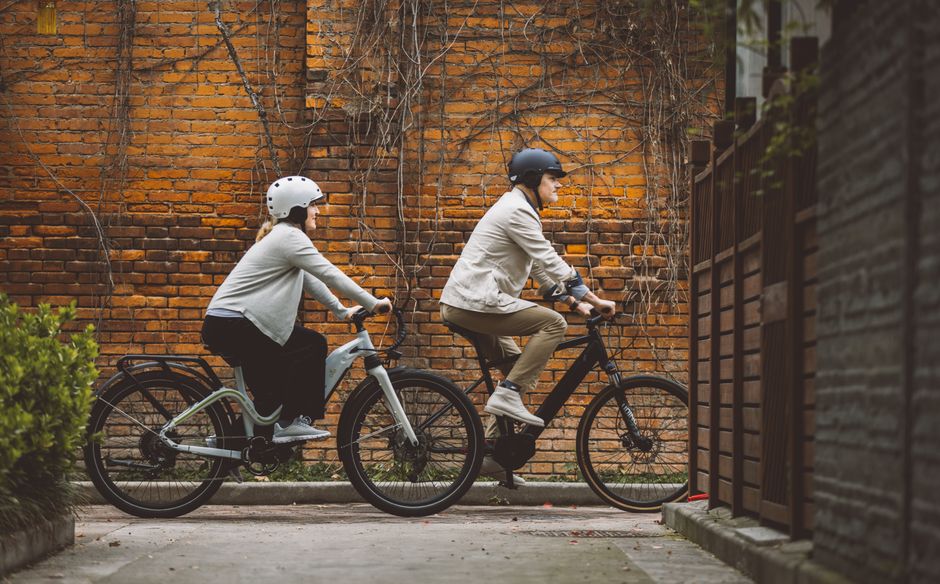
Look for the rider-height range, standover height, seat adjustment, handlebar reach, and payload limit for the exact configuration. If two people will share the bike, both need a workable position. A step-through frame lowers the entry point, but it does not guarantee that the reach, saddle height, or overall balance will suit every rider.
Payload is more than body weight. Include a backpack, groceries, rack, lock, and any other equipment. Accessories may have separate ratings from the frame. If a bike is close to its maximum load before cargo is added, choose a different setup rather than relying on the highest possible number.
3. Estimate range with a reserve
Published range is normally measured under selected conditions. Hills, cold weather, wind, frequent acceleration, soft tires, higher assist levels, surface, rider weight, and cargo can all reduce it. Build in a practical margin instead of planning to arrive with an empty battery. A rider with a 16-mile round trip should not shop as if a stated 16-mile maximum is enough.
Find out whether the battery is removable and where you will charge it. Ask about the current replacement cost and availability of a compatible pack. Battery support is part of the bike’s long-term value, even if it is less exciting than motor output.
4. Measure the storage and lifting problem
Use the complete bike weight and dimensions. Measure the apartment doorway, elevator, garage space, RV compartment, car rack, or trunk involved in your routine. Folding joints reduce the footprint, but a folded e-bike may still be too heavy to carry up stairs or too wide for a small trunk.
Three-wheel bikes need additional floor space and a wider turning path. Dirt-bike-style models may require more secure storage than a standard bicycle rack provides. Decide where the bike and charger will live before delivery, and keep the battery away from extreme heat, water, and damaged charging equipment.
5. Plan for assembly and routine service
Direct-to-consumer bikes commonly arrive with some assembly required. Read the instructions for the selected model and decide whether you have the tools and experience to check the handlebars, pedals, wheels, brakes, fasteners, and tire pressure. If not, budget for a qualified bicycle or e-bike technician. A careful initial inspection matters on a heavy powered bike.
Ask a nearby shop whether it will service the mechanical and electrical components before you buy. Look at the availability of tires, tubes, brake pads, rotors, chains, displays, controllers, and model-specific parts. Qronge publishes a parts and accessories catalog, but availability for a particular model is what matters. A replaceable, serviceable component is often more valuable than an extra feature you rarely use.
6. Price the complete setup
The checkout price is only the beginning. Add a helmet, appropriate lock, lights if they are not included, mirrors or visibility gear for your route, a compatible rack, a pump, spare tubes, and maintenance. A heavier or unusual frame may require a different vehicle rack. High-powered off-road riding may call for more protective equipment than ordinary cycling.
Bundles can be worthwhile when they contain equipment you already planned to buy. They are not automatic savings if the accessories do not fit your use. Verify what is included with the exact color and configuration, because product pages and promotions can change.
7. Understand delivery, warranty, and returns
Qronge’s official information advertises free shipping and a one-year warranty, with detailed conditions on its policy pages. Warranty coverage applies to bikes bought through official Qronge channels and does not cover every wear item, accident, modification, or unauthorized repair. Shipping-damage claims require prompt notice and supporting photos or video.
The published return policy requires authorization and original packaging. It also specifies a short window, low mileage for opened bikes, and possible deductions for shipping, administration, and restocking. A heavy e-bike is expensive to return, so keep the shipping carton and packing materials until the bike has been inspected and the decision period has passed. Read the current policy at checkout rather than relying on a banner or old review.
A sensible way to choose
Qronge is most compelling when one of its formats solves a clear problem: easier step-through access, folding storage, three-wheel stability, fat-tire capability, or a powerful platform for legal off-road use. The right model should fit the rider and route before it impresses on paper.
If local test rides and shop support are essential, compare a dealer-supported brand as well. If you regularly carry a bike upstairs, a lighter conventional bicycle may be more practical. If your route uses public bike paths, prioritize a clearly classed commuter model over raw power. The best purchase is the one you can store, charge, service, and ride with confidence throughout the year.