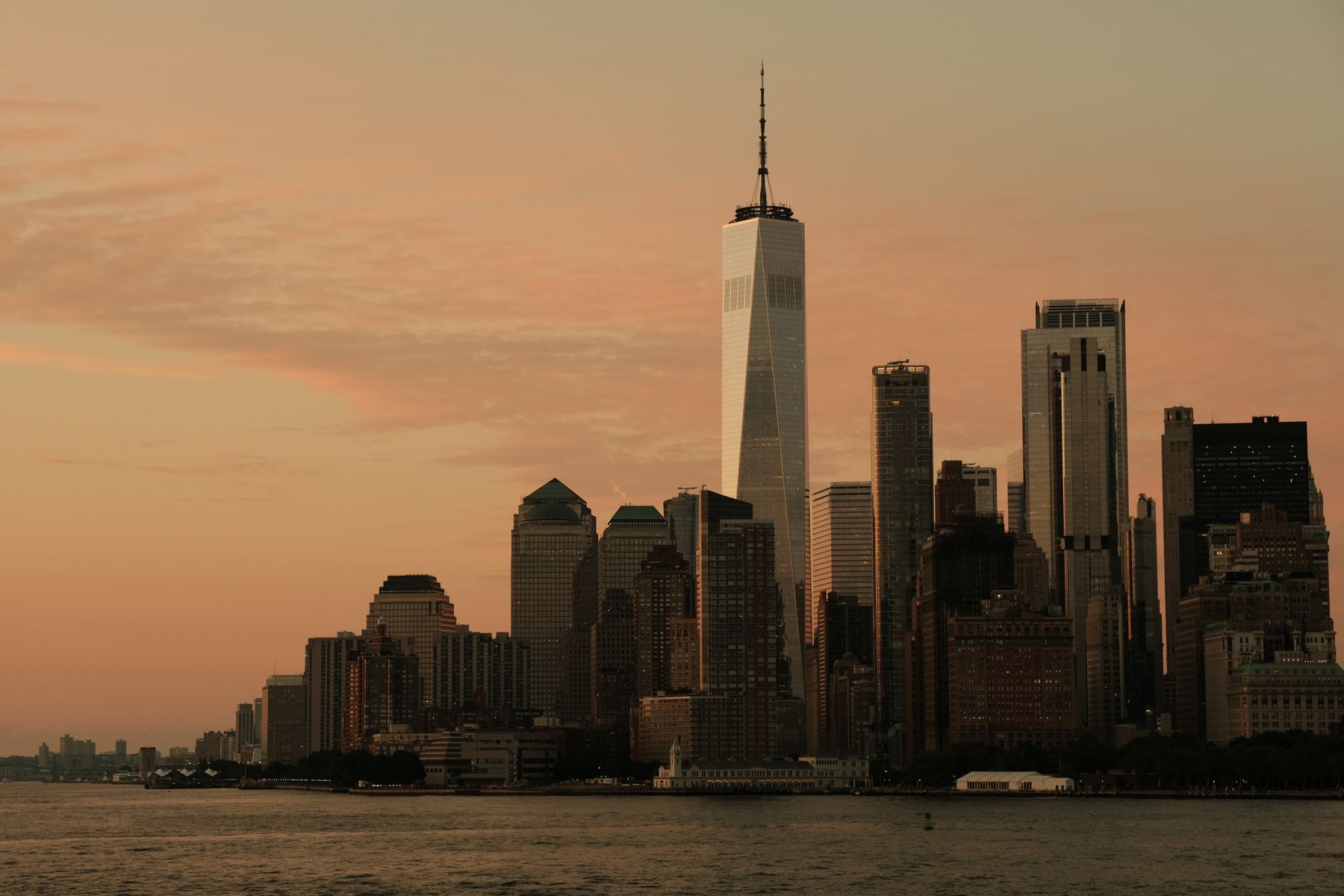
New York has several places to see the skyline from above, but One World Observatory offers a point of view that feels inseparable from Lower Manhattan. The experience sits on floors 100 through 102 of One World Trade Center, placing the harbor, the Hudson and East rivers, Brooklyn, New Jersey, and Manhattan’s towers into one broad panorama.
The visit is also more structured than simply taking an elevator to a window. The ascent, theater presentation, interactive storytelling, and viewing floors create a clear sequence. That makes it a strong choice for first-time visitors, families, and anyone who wants an indoor skyline experience that still feels memorable in cool or unpredictable weather.
- Location: One World Trade Center, 117 West Street in Lower Manhattan.
- Plan about 45 to 60 minutes inside, then leave extra time for photos or dining.
- Admission uses a date and time, so booking before a busy weekend is sensible.
- Check the official booking page for current hours, ticket details, and availability.
What the One World Observatory experience includes
Your visit begins before the skyline comes into view. The SkyPod elevators travel to the 102nd floor in about 47 seconds while floor-to-ceiling screens show the development of New York across centuries. The short ride turns a practical transition into part of the attraction, which is particularly fun for visitors who enjoy architecture and city history.
At the top, the See Forever Theater provides a brief cinematic introduction before the main reveal. The observation areas then spread across three indoor levels. City Pulse, on the 100th floor, uses live presenters and interactive displays to connect visible landmarks with the neighborhoods and stories below. Rather than leaving you to identify every bridge or building alone, it gives useful context to the view.
The indoor setting is helpful when wind, heat, or cold would make an outdoor deck uncomfortable. It does not eliminate the effect of clouds or haze, so it is still worth checking the forecast. On a clear day, the sightlines can extend far beyond the immediate boroughs; in imperfect weather, the multimedia elements give the visit more substance than a view-only stop.
Which ticket style fits your plans?
Ticket names and inclusions can change, so use the official booking page for the final comparison. The practical decision is whether you want a fixed timed entry, faster access, or more flexibility during the day.
| Priority | What to look for | Best for |
|---|---|---|
| Simple admission | A reserved date and entry time with the core observatory experience. | Travelers with a firm itinerary who are comfortable using the regular lines. |
| Priority access | Packages that add faster lanes or other convenience benefits. | Short trips, busy dates, and visitors who value predictable pacing. |
| Flexible arrival | A higher-tier option that allows more freedom within the selected day. | Plans built around weather, meals, or several Downtown attractions. |
Prices and package details are dynamic. Review the current inclusions and terms before paying, especially if flexibility or priority access is important to you.
When should you visit?
Morning for a calmer start
An earlier time can fit well before the Financial District becomes the center of your day. Morning light may also reduce glare from some directions, although conditions vary. This timing is convenient if you plan to continue to the 9/11 Memorial area, walk toward the Brooklyn Bridge, or take a ferry later.
Late afternoon for changing light
A late-afternoon slot lets you see the city transition toward evening if your timing and the season align. These periods are often popular, so advance booking matters more. Arrive with enough margin for security and entry rather than trying to time the skyline to the minute.
Evening for city lights
After dark, streets, bridges, and towers create a different atmosphere. You lose some long-distance detail, but the illuminated grid makes the city easier to read. Evening is also a natural fit for a dinner reservation nearby or at the building, provided you check access and reservation requirements in advance.
Build an easy Lower Manhattan itinerary
The Observatory works best when you avoid crossing the city several times in one day. Pair it with nearby places and keep the schedule walkable. The World Trade Center Oculus is directly connected to the area and is useful both as a transit hub and an architectural stop. The 9/11 Memorial is close by, though it is a separate organization and experience. Battery Park, Wall Street, and the waterfront are also within a comfortable Downtown route for many visitors.
A practical half-day plan is to explore the neighborhood first, reserve the Observatory for a known entry window, and leave one flexible meal or coffee stop afterward. If the skyline is your main priority, keep the hour before admission relatively light so subway delays or a longer museum visit do not make you rush.
Small choices that improve the visit
- Use public transportation: The site is served by several subway lines and PATH, and the official visitor page recommends transit.
- Check visibility: Clouds and haze can change quickly. Look at both the forecast and the skyline before leaving your hotel.
- Wear photo-friendly colors: Dark clothing tends to create less reflection against glass than bright white tops.
- Photograph at an angle: Hold the lens close to the glass and shade it with a hand to reduce reflections without blocking other visitors.
- Confirm dining rules: Restaurant access requires Observatory admission, and reservations may need to be coordinated with your ticket time.
Is One World Observatory worth adding to your trip?
Choose it if you want an expansive Downtown viewpoint, an entirely indoor experience, and more interpretation than a bare observation platform. The harbor-facing perspective is a defining advantage, while the elevator, theater, and City Pulse make the visit engaging for people who may not want to spend an hour only taking photographs.
It is less suitable if you specifically want an open-air deck or if poor visibility makes skyline views impossible during your only available time. For most first-time New York itineraries, however, the combination of location, storytelling, and a 360-degree view makes it easy to place within a Lower Manhattan day.
Book the time that genuinely fits your route, review the latest package details, and give yourself room to enjoy the view without racing to the next reservation.